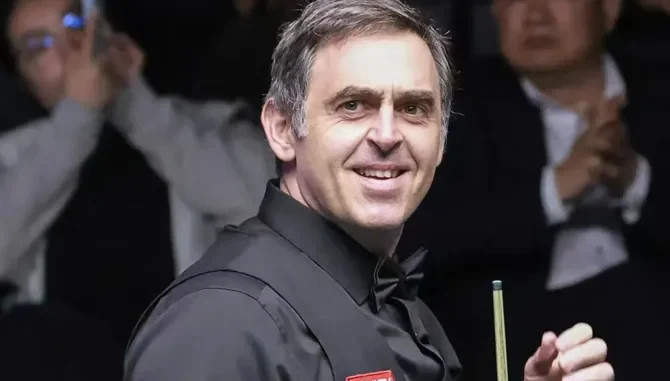
Ronnie O’Sullivan has thrown his support behind snooker’s newest fast-paced format after banking £25,000 at the inaugural Snooker 900 Global Championship, with the seven-time world champion suggesting the concept could eventually grow into a major breakaway-style tour.
The Rocket once again proved why he remains one of the sport’s biggest attractions as he battled through a packed field in the experimental event, which introduced a dramatic 15-minute shot-clock format designed to make matches quicker and more television-friendly. O’Sullivan’s run to the latter stages of the competition earned him a sizeable payday and also left him convinced that the sport should continue exploring new ideas away from the traditional ranking calendar.
Speaking after the tournament, O’Sullivan praised the atmosphere and entertainment value of the event, claiming the format could attract a wider audience to snooker. The 49-year-old believes shorter matches and constant pressure create a different challenge for players while also producing more excitement for spectators.
The Snooker 900 format has already generated strong debate within the sport. Traditionalists have questioned whether rapid-fire matches can truly reflect the skill and tactical depth that define professional snooker, but O’Sullivan appears firmly in favour of innovation. He suggested that the sport cannot rely solely on its historic tournaments if it wants to grow globally and compete with other modern entertainment products.
O’Sullivan’s comments about a possible “breakaway tour” will also attract attention across the snooker world. While he stopped short of revealing any concrete plans, the idea of an alternative series operating alongside the World Snooker Tour has been discussed increasingly in recent years, especially as players seek larger prize funds and fresh commercial opportunities.
The Rocket has often been one of the sport’s most outspoken figures when it comes to change. Over the years, he has criticised long tournament schedules, player burnout and what he sees as outdated approaches to promoting the game. His backing of Snooker 900 therefore carries significant weight, particularly because of his influence with broadcasters, sponsors and fans.
Despite the event’s unconventional nature, several top professionals embraced the challenge. The quick-fire structure forced players to think differently, reducing lengthy safety exchanges and encouraging attacking play. O’Sullivan seemed particularly comfortable under the format, using his natural speed and instinctive shot-making to full effect throughout the tournament.
The £25,000 reward adds another impressive payday to O’Sullivan’s legendary career, but the bigger story may be his growing enthusiasm for alternative competitions. The former world No. 1 has hinted several times that snooker needs to evolve if it wants to remain relevant to younger audiences and international markets.
Whether Snooker 900 eventually develops into a full-scale tour remains uncertain, but the event has clearly made an impression on the sport’s biggest star. With O’Sullivan publicly backing the concept, organisers are likely to feel encouraged about expanding the format in the future.
For now, the Rocket leaves the tournament with both a healthy cheque and fresh optimism that snooker’s future could look very different from its past.
Be the first to comment