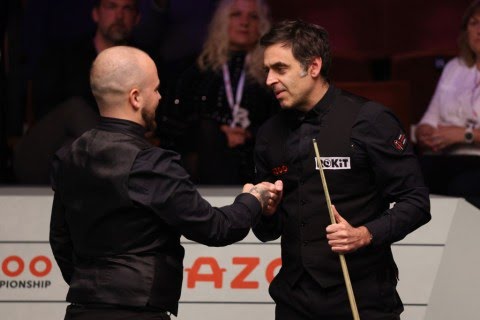
Ronnie O’Sullivan believes the fast-paced Snooker 900 format could become a major part of the sport’s future after lifting the inaugural Global Championship title in Saudi Arabia. The seven-time world champion spoke positively about the event following his victory, insisting that the shortened format has the potential to attract new audiences and create fresh opportunities for players around the world.
The Snooker 900 tournament introduced a quicker version of the traditional game, with each player limited to 15 minutes per frame and a shot clock adding extra pressure throughout matches. The format produced dramatic moments, surprise results and attacking snooker, keeping crowds entertained from start to finish. O’Sullivan appeared to enjoy the challenge and said the event had shown there is room for innovation in the sport.
After securing the title, O’Sullivan explained that snooker cannot rely only on its traditional tournaments if it wants to continue growing globally. The Rocket has long supported new ideas aimed at modernising the game, and he believes Snooker 900 could appeal to younger fans who prefer faster entertainment.
Speaking after the final, O’Sullivan suggested that a full Snooker 900 tour could work alongside the established ranking circuit. He argued that shorter matches create excitement and unpredictability while still requiring high levels of skill and concentration. According to O’Sullivan, the format gives more players a chance to compete regularly and can attract broadcasters looking for quicker television events.
The Englishman also praised the atmosphere in Saudi Arabia, where large crowds turned out during the championship. Organisers invested heavily in the tournament, and the event formed part of snooker’s continuing expansion into new international markets. O’Sullivan said the energy inside the arena reminded him that the sport still has huge commercial potential when presented in an exciting way.
Throughout the tournament, O’Sullivan showed flashes of his best form. Despite facing difficult opponents and adapting to the rapid pace, he remained calm under pressure and produced several impressive breaks during the week. His experience proved decisive in key moments, especially during the closing stages of the competition.
Many players have already expressed mixed opinions about shorter formats in snooker. Some traditionalists believe the sport’s long tactical battles are essential to its identity, while others feel events like Snooker 900 can help bring fresh interest to the game. O’Sullivan acknowledged that both styles can coexist, insisting that classic tournaments such as the World Championship would always remain important.
However, he believes innovation is necessary if snooker wants to compete with other modern sports and entertainment products. O’Sullivan pointed to the success of shorter formats in cricket and darts as examples of how change can help sports reach wider audiences.
The victory added another trophy to O’Sullivan’s remarkable career and once again highlighted his influence within the sport. Beyond his achievements on the table, his opinions often shape major discussions in snooker. With the Rocket now openly backing the idea of a Snooker 900 tour, organisers may seriously consider expanding the format in the coming years.
Whether traditional fans embrace the idea or not, the success of the Global Championship has already sparked debate about snooker’s future — and Ronnie O’Sullivan is clearly determined to be part of that conversation.

Be the first to comment