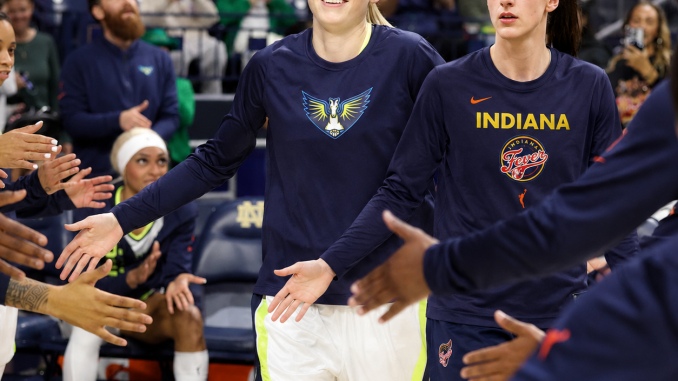
Paige Bueckers has found herself at the center of another WNBA conversation after speaking openly about the lack of Black women serving as head coaches in the league. Her comments have sparked widespread discussion online, with some fans praising her willingness to address representation while others have connected the conversation to the different cultural perceptions surrounding Bueckers and fellow young star Caitlin Clark.
Speaking after the Dallas Wings defeated the Chicago Sky, Bueckers was asked about the shortage of Black female coaches in the WNBA. Rather than avoiding the subject, the former UConn star explained why the issue mattered to her personally.
Bueckers pointed to important Black women in her own upbringing, including her stepmother and an AAU coach, and emphasized that opportunities should be available regardless of race or background. She also acknowledged the significant contributions Black women have made to women’s basketball and the WNBA.
“I’m for equal opportunity,” Bueckers said, stressing that Black women should receive the same opportunities as everyone else. She argued that the league was built in large part by Black women and that their presence in leadership should reflect those contributions.
The timing of Bueckers’ remarks has made the discussion even more interesting. The 2025 No. 1 overall pick has frequently been compared with Caitlin Clark, another young white superstar whose arrival in the WNBA helped generate enormous attention around the league. The two players have developed separate identities and careers, but comparisons between them remain common among fans and sports media.
That comparison has now entered a broader conversation about race, visibility and opportunity in women’s basketball. Supporters of Bueckers argue that her comments demonstrate an awareness of issues beyond her own career. Some fans have also praised her for using her platform to advocate for greater opportunities for Black women.
At the same time, the comments have generated criticism and debate on social media. Some questioned whether race should be part of discussions about coaching appointments, while others argued that the absence of Black women in head-coaching positions is significant enough to warrant attention.
The issue is particularly notable because the WNBA has historically featured a large number of Black players and coaches. According to reporting on the current coaching landscape, the 2026 season marked the first time since 2020 that the league had no Black women serving as head coaches.
Bueckers’ comments therefore go beyond a simple comparison with Clark. They touch on a larger question about who gets opportunities to lead professional women’s basketball teams and whether the league’s coaching ranks adequately reflect the people who have helped shape it.
For Bueckers, the message appeared straightforward: talent and leadership opportunities should not be limited by race. For fans, however, the remarks have opened another chapter in the ongoing conversation surrounding Bueckers, Clark and the changing cultural landscape of the WNBA.
As the league continues to grow in popularity, conversations about representation are likely to remain part of its wider story. Bueckers has made her position clear, and her willingness to speak about the issue ensures that the debate will continue well beyond the postgame press conference where it began.


Be the first to comment