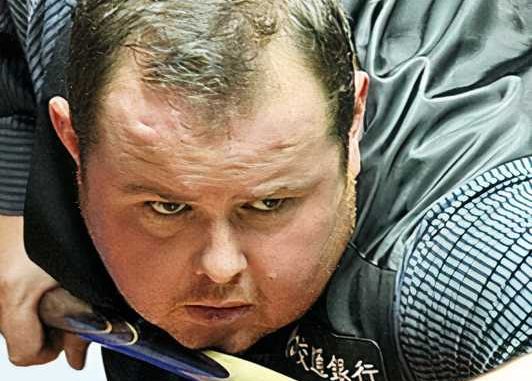
Snooker star hit with huge 12-year ban explained why he has no intention of making comeback
Stephen Lee was one of snooker’s leading players in the late 1990s and early 2000s, rising to world No. 5 and winning five ranking events during his professional career. He reached the semi-final of the World Snooker Championship in 2003 and was widely regarded as one of the sport’s most skilful cueists.
However, Lee’s career came crashing down after a major match-fixing scandal. In 2013, an independent tribunal found that Lee had influenced the outcome of seven professional matches between 2008 and 2009 — deliberately losing or manipulating certain frames for corrupt purposes. As a result, he received a 12-year ban from all professional snooker events, backdated to when he was first suspended in October 2012.
At the time, it was one of the longest suspensions in the sport’s history. The ban effectively ended his place on the World Snooker Tour and meant he was barred from competing in championships, qualifying events and all major professional tournaments until October 2024 — his 50th birthday.
Ban expiry and reaction from the snooker world
When Lee’s ban finally expired in late 2024, many in the snooker community wondered whether the once-top tier player might seek a return. Fellow professionals such as Ronnie O’Sullivan and John Higgins publicly stated that, in theory, Lee still had the ability to compete with top players if he chose to come back, though they acknowledged the long time away from competition would make it very challenging.
However, Lee himself quickly made it clear that he had no intention of returning to the professional snooker circuit. In a rare interview with The Hindu, he explained several reasons for this decision:
• 12 years out of the game is too long — Lee said that after more than a decade away from top-level competition, he wasn’t prepared to “waste any time” trying to fight his way back through qualifying events such as UK Q-School, which is necessary to re-earn a tour card.
• Disillusionment with the governing body, the World Pool, Billiards & Snooker Association (WPBSA), played a part. Lee said that working with the WPBSA “does not appeal to me one bit” and claimed the association had not been supportive of players, including himself.
• Personal life changes have shifted his priorities. Lee revealed he lost his wife two years earlier, and that she never wanted him to return to professional snooker.
• He has new commitments outside professional competition, including business ventures and events in Asia, and is enjoying the chance to play snooker socially or at a modest level without the pressure of the pro tour.
Lee also mentioned that his son Alfie — who has been dabbling in cue sports like Chinese pool and some snooker — is part of his life now, and Lee is focused on supporting him rather than chasing a comeback.
What this means for Lee’s legacy
While Lee may no longer play on the professional tour, he remains a controversial figure in snooker history — once highly successful but later central to one of the sport’s most damaging scandals. His choice to walk away rather than attempt a comeback underscores how much his life and priorities have shifted since the ban was imposed.
In the view of many pundits and fans, the combination of age, time away from competition, and personal disillusionment makes a professional return unlikely — and Lee himself has confirmed he intends to stay out of the professional snooker spotlight for good.


Be the first to comment