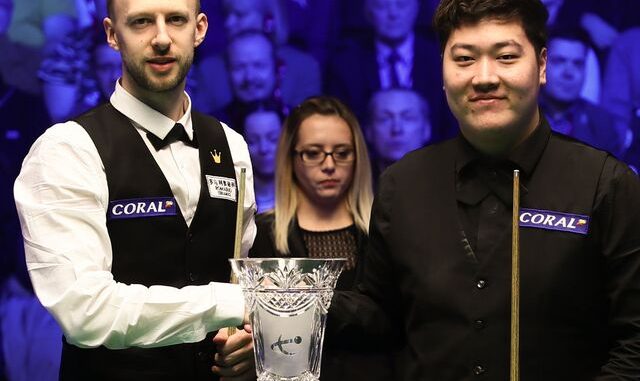
Chinese snooker has long been viewed as the sport’s next great powerhouse, with a new generation of players emerging to challenge the dominance of established stars. Among them, one rising talent had been singled out for greatness by none other than Judd Trump, who publicly predicted the young player would go on to become a future world champion. However, that promising trajectory has now been dramatically halted after a ban that will keep the player out of professional competition until 2027.
The suspension comes as part of a wider crackdown within the sport, as authorities continue efforts to protect the integrity of snooker. In recent years, governing bodies have taken a firm stance against breaches of conduct, particularly those related to match-fixing and betting irregularities. While details surrounding individual cases vary, the overarching message has been clear: no player, regardless of talent or reputation, is above the rules.
For this Chinese star, the timing could hardly be worse. Still early in his career, he had already begun to attract significant attention on the professional circuit. His composure, technical skill, and tactical intelligence marked him out as one of the brightest prospects in the game. Trump’s endorsement only amplified expectations, with many fans and analysts believing it was only a matter of time before he began competing for — and winning — major titles.
Instead, the ban represents a major setback not only for the player himself but also for the broader momentum of Chinese snooker. Over the past decade, China has invested heavily in the sport, producing a steady stream of elite competitors and expanding its global footprint through tournaments and sponsorship. The emergence of young stars has been central to that growth, helping to inspire a new generation of fans and players.
Now, questions will inevitably be asked about how such incidents might affect the sport’s development in the region. While one case does not define an entire system, it does highlight the pressures faced by young professionals navigating the demands of international competition, financial incentives, and strict regulatory frameworks.
There is also the human aspect to consider. A ban lasting until 2027 effectively removes several crucial years from the player’s career — years that are often vital for development, ranking progression, and peak performance. Returning to the sport after such a long absence will present a significant challenge, both mentally and physically. History shows that comebacks are possible, but they are rarely straightforward.
For now, the focus will remain on maintaining the sport’s credibility. Snooker’s authorities have emphasized that enforcement of rules is essential to preserving trust among fans, sponsors, and fellow competitors. At the same time, there may be calls for better education and support systems to help young players avoid situations that could jeopardize their careers.
As for the banned star, his future remains uncertain. The raw talent that once drew comparisons to potential world champions has not disappeared, but whether he can fulfill that promise after years away from the table is a question only time can answer.

Be the first to comment