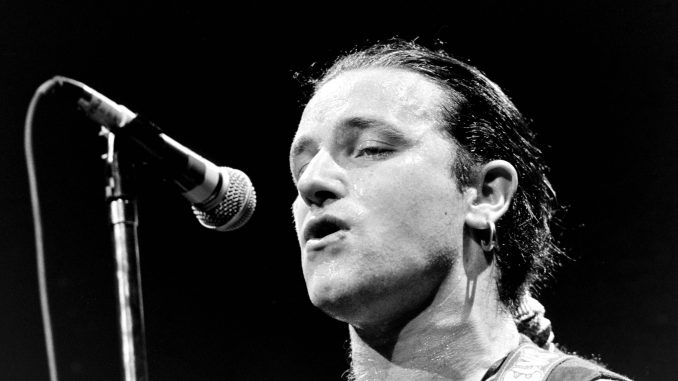
1987 Rock Album The Joshua Tree Ruled the Charts for Nine Weeks and Earned Its Place Among the Greatest Rock Albums Ever Made
When U2 released The Joshua Tree on March 9, 1987, few could have predicted just how profoundly it would reshape the band’s career and the landscape of rock music. Already respected for powerful albums like War and The Unforgettable Fire, Bono, The Edge, Adam Clayton, and Larry Mullen Jr. took an even bolder creative step with their fifth studio album—one that would transform them into global superstars.
The breakthrough came quickly. In April 1987, The Joshua Tree climbed to No. 1 on the Billboard 200, where it remained for an impressive nine consecutive weeks. That remarkable chart run became the longest No. 1 reign of U2’s career in the United States and confirmed the album as one of the defining musical releases of the decade.
The album’s success was driven by unforgettable songs that continue to resonate with listeners today. “With or Without You” became U2’s first U.S. No. 1 single, while “I Still Haven’t Found What I’m Looking For” also reached the top of the charts. Alongside the politically charged “Bullet the Blue Sky” and the stirring “Where the Streets Have No Name,” the album showcased the band’s ability to combine emotional songwriting with soaring rock anthems.
Produced by Brian Eno and Daniel Lanois, The Joshua Tree blended atmospheric soundscapes with American-inspired rock influences. Its lyrics explored themes of faith, hope, social justice, and the search for meaning, giving the record a depth that set it apart from many of its contemporaries. Rather than chasing trends, U2 created an album that felt timeless, personal, and universal.
Commercially, the record became one of the biggest successes in rock history. It has sold more than 25 million copies worldwide, making it U2’s best-selling studio album. The accompanying Joshua Tree Tour filled arenas and stadiums across the globe, establishing the Irish quartet as one of the world’s premier live acts.
Critical acclaim followed just as quickly. At the 1988 Grammy Awards, The Joshua Tree won Album of the Year and Best Rock Performance by a Duo or Group with Vocal, cementing its reputation as a landmark achievement. Reviewers praised its ambitious songwriting, emotional honesty, and cinematic production, while fans embraced it as an album that captured both the spirit and the uncertainty of its era.
Decades later, The Joshua Tree continues to appear on numerous lists of the greatest rock albums ever recorded. Publications such as Rolling Stone and other respected music authorities have consistently recognized its cultural significance and enduring artistic impact. Songs from the album remain staples of U2 concerts, connecting generations of fans through music that has lost none of its emotional power.
The album’s influence extends far beyond sales and awards. Countless musicians have cited it as an inspiration, praising its fearless songwriting and expansive sound. Its themes of humanity, spirituality, and resilience remain relevant, ensuring that each new generation discovers the album with fresh appreciation.
Nearly four decades after its release, The Joshua Tree stands as more than a classic rock album—it is a cultural milestone. Its nine-week reign at No. 1, Grammy-winning success, worldwide sales, and lasting critical acclaim have secured its place among the greatest rock albums of all time. For U2, it was the record that elevated them from celebrated musicians to enduring legends, and its legacy continues to grow with every passing year.If you’d like, I can also .create a matching headline and thumbnail text for this article



Be the first to comment