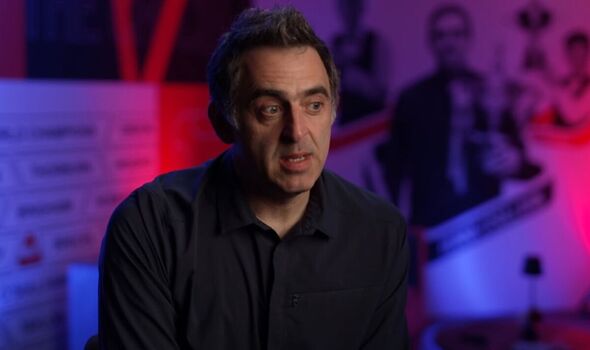
Murphy reveals contract dispute behind BBC exit as O’Sullivan’s future remains unclear.
Shaun Murphy has revealed that a contract dispute was the key factor behind his decision to step away from his punditry role with BBC, bringing clarity to his recent absence from the broadcaster’s snooker coverage. The 2005 world champion, long regarded as one of the sport’s most articulate analysts, confirmed that financial and contractual disagreements ultimately led to the breakdown in talks.
Murphy had become a familiar face on BBC broadcasts, offering insight during major tournaments, including the World Championship at the Crucible Theatre. However, discussions over a new deal reportedly failed to reach a satisfactory conclusion, prompting the player to withdraw from his punditry commitments. While he did not disclose specific figures, Murphy indicated that the terms offered did not reflect his value or the time commitment required.
Speaking candidly, Murphy suggested that balancing his ongoing professional career with media responsibilities required fair compensation and clarity over scheduling. With an increasingly demanding playing calendar, he emphasized that any broadcasting role needed to align both financially and logistically. The inability to find that balance, he said, made his decision unavoidable.
Murphy’s departure leaves a noticeable gap in the BBC’s snooker coverage. Known for his clear analysis and willingness to break down complex tactical exchanges, he had earned praise from viewers and colleagues alike. His absence is likely to be felt during key events, where his perspective as a top-level competitor added depth to the broadcast.
Meanwhile, attention has also turned to Ronnie O’Sullivan, whose future involvement with the BBC remains uncertain. O’Sullivan, widely regarded as one of the greatest players in the history of the sport, has also been a prominent figure in television coverage, both as a player and occasional pundit. However, questions have emerged regarding whether he will continue in that role under current arrangements.
Unlike Murphy, O’Sullivan has not publicly confirmed any specific dispute with the BBC. Nevertheless, his sporadic appearances and candid views on the sport have fueled speculation about his long-term relationship with broadcasters. Known for his independence and willingness to challenge traditional structures, O’Sullivan’s next move is being closely watched.
The situation highlights a broader issue within sports broadcasting, where former and current players are increasingly weighing the demands of media work against financial incentives and personal priorities. As the media landscape evolves, broadcasters face growing competition for expert talent, while pundits seek arrangements that reflect their expertise and time.
For the BBC, securing experienced voices remains essential to maintaining the quality of its snooker coverage. Murphy’s exit underscores the challenges involved in negotiating deals that satisfy both parties, particularly in a sport where top players continue to compete at the highest level while also engaging in media roles.
As negotiations and speculation continue, Murphy’s decision marks a significant moment in the relationship between players and broadcasters. Whether O’Sullivan follows a similar path or reaches a new agreement remains to be seen, but the developments signal a shift in how leading figures in snooker approach their roles beyond the table.

Be the first to comment