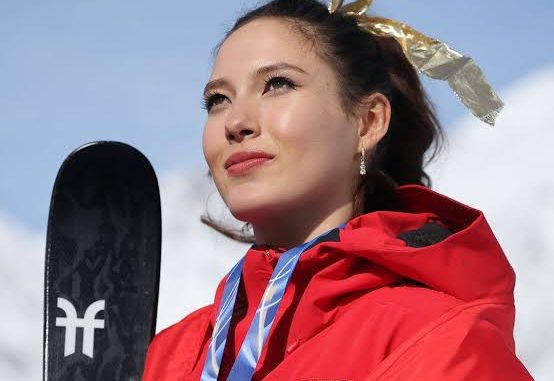
Mikaela Shiffrin Opens Up: How the Olympic Champion Handled the Intense Pressure of the 2026 Games
Mikaela Shiffrin has long been synonymous with excellence on the slopes, but even for one of the most decorated alpine skiers in history, the pressure of the 2026 Winter Olympics brought a new level of intensity. In a candid recent interview, the five-time Olympic medalist opened up about the mental resilience and strategies that helped her stay grounded while competing on one of the world’s biggest stages.
Shiffrin described the Milano-Cortina Games as “emotionally demanding in a different way,” noting that expectations—from fans, media, and even herself—felt heavier than in previous Olympics. Having already cemented her legacy, she entered the competition with both the burden of maintaining her status and the desire to rediscover joy in the sport. “It wasn’t just about winning anymore,” she explained. “It was about managing everything that comes with it.”
Central to her approach was a renewed focus on mindfulness. Shiffrin revealed that she incorporated breathing exercises and short meditation sessions into her daily routine, especially on race days. These practices helped her stay present and avoid being overwhelmed by external noise. “When you’re at the start gate, your mind can spiral into ‘what ifs,’” she said. “Learning to come back to the moment made all the difference.”
Another key strategy was redefining success. Rather than measuring her performance solely by podium finishes, Shiffrin set internal benchmarks—executing clean runs, maintaining composure, and trusting her preparation. This shift allowed her to regain a sense of control in an environment where outcomes can be unpredictable. “You can’t control the mountain or the weather,” she noted. “But you can control how you respond.”
Support systems also played a crucial role. Shiffrin credited her team, family, and close friends for helping her maintain perspective throughout the Games. She emphasized the importance of honest conversations and emotional openness, especially during moments of doubt. “Having people who remind you who you are beyond your results—that’s invaluable,” she said.
The alpine star also spoke about learning from past Olympic experiences, including both triumphs and setbacks. Those lessons, she explained, shaped her ability to handle adversity in Milano-Cortina. “Every Olympics teaches you something new,” Shiffrin reflected. “This time, it was about patience and self-compassion.”
Ultimately, Shiffrin’s performance at the 2026 Games was not just a testament to her physical skill, but to her psychological growth. By embracing vulnerability and prioritizing mental well-being, she demonstrated that even the most elite athletes must evolve to meet new challenges.
Her reflections offer a powerful reminder that success at the highest level is as much about mindset as it is about talent. And for Shiffrin, the Milano-Cortina Olympics may well be remembered not just for medals, but for the resilience behind them.



Be the first to comment