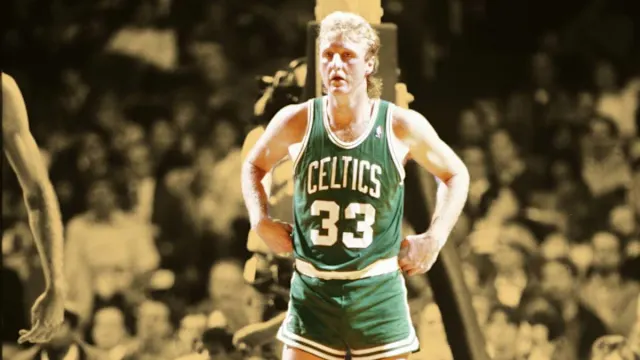
When the Boston Celtics captured the 1986 championship, few imagined it would take another 30 years before they lifted the Larry O’Brien trophy again.
That squad is often remembered as one of the greatest in NBA history. Larry Bird was in the middle of his third consecutive MVP season, Kevin McHale had become the league’s most unstoppable low-post scorer, Robert Parish remained a steady and durable force at center, and Dennis Johnson continued to be among the league’s elite perimeter defenders. To top it off, Boston added Bill Walton, who, despite a long history of injuries, managed to stay relatively healthy and provided one of the most impactful sixth-man contributions the NBA has ever seen.
The mix of chemistry and talent fueled the Celtics to a 67-15 record, including just a single home loss that season. The postseason was grueling, but Boston rolled past the Bulls, Hawks, Bucks, and Rockets to secure the title. From management down to the last man on the roster, there was a sense that this dynasty had more championships ahead. Yet, as Larry Bird later admitted, the collapse came quicker than anyone expected.
“After that 1986 championship, everything fell apart,” Bird recalled in his 1999 autobiography Bird Watching. “Walton came back for one more season, but injuries limited him to just 10 games before he retired. Then we drafted Len Bias, and two days later he died of a cocaine overdose. It was devastating. I honestly thought someone was playing a cruel joke when I first heard it.”
The fallout was immediate. With Walton sidelined, Boston’s frontcourt carried an unsustainable workload. But the bigger blow came from losing Bias, the No. 2 overall pick and a rising star from Maryland expected to secure the franchise’s future. His death not only shook the Celtics but also stunned the entire NBA.
Still, on paper, Boston remained a powerhouse. They returned to the Finals in 1987 with a 59-23 record, but the cracks were showing. Walton was absent, McHale was playing on a broken foot that altered the course of his career, and the shallow bench forced the starters into heavy minutes that wore them down. Ultimately, they fell to their archrivals, the Los Angeles Lakers.
That 1986 championship was never meant to be a swan song. With stars still in their primes and Bias expected to eventually take the torch from Bird, the Celtics looked poised for another era of dominance. Instead, the team spent the rest of the decade fighting to recapture past glory. Despite deep playoff runs, injuries, fatigue, and the devastating loss of Bias meant Boston’s core had already peaked. By the end of the ’80s, the dynasty had faded, leaving 1986 as both a high point and a turning point.


Be the first to comment