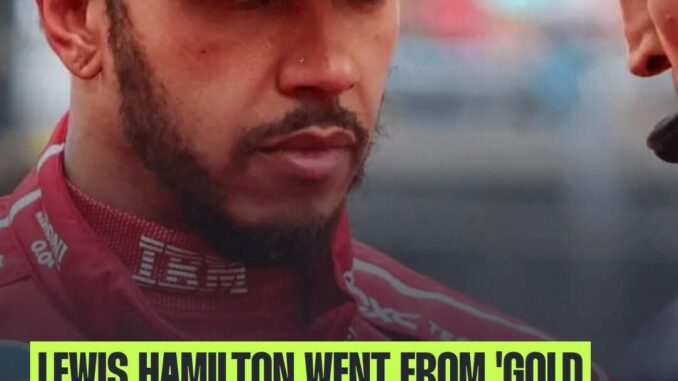
From “gold standard” radio communication to Ferrari, Karun Chandhok believes Lewis Hamilton has been hampered by his radio communication in recent seasons, a factor that has subtly but significantly affected his performances on track.
Chandhok, a former Formula 1 driver and now a respected analyst, has often praised Hamilton’s technical feedback and clarity over team radio during his championship-winning years at Mercedes. In that era, Hamilton’s communication with race engineers such as Peter Bonnington was widely regarded as the benchmark in the paddock. Messages were concise, precise and actionable, allowing the team to react instantly to tyre degradation, balance issues or changing track conditions.
However, Chandhok argues that this “gold standard” has slipped in recent seasons, particularly as Mercedes struggled with an uncompetitive car under the ground-effect regulations. According to him, frustration has crept into Hamilton’s radio exchanges, sometimes clouding the clarity that once defined his communication. Rather than purely diagnostic feedback, radio messages have increasingly reflected dissatisfaction with strategy calls, car behaviour and long-term development direction.
Chandhok believes this shift has had a knock-on effect. Formula 1 is a sport of fine margins, and when communication loses precision, decision-making can suffer. Even a slight delay or misinterpretation can compromise strategy, tyre usage or setup adjustments during a race weekend. In Hamilton’s case, Chandhok feels this has occasionally magnified the team’s struggles rather than helping to mitigate them.
Looking ahead to Hamilton’s much-anticipated move to Ferrari, Chandhok sees both risk and opportunity. Ferrari is a team where radio communication is intensely scrutinised, often becoming part of the public narrative during races. Chandhok suggests that for Hamilton to thrive in Maranello, rediscovering his calm, methodical radio style will be crucial. If he can re-establish that clear, solutions-focused dialogue, Hamilton could once again turn communication into a competitive advantage and remind the grid why his voice on the radio was once considered the best in Formula 1.



Be the first to comment