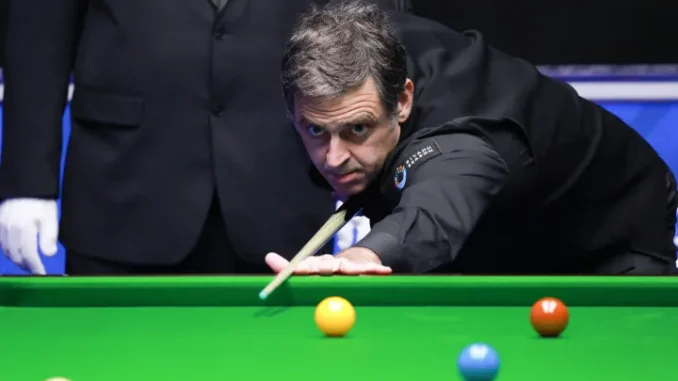
Ronnie O’Sullivan wants top-level snooker to return to country that hasn’t had ranking tournament for nearly 20 years.
Ronnie O’Sullivan has once again stirred conversation in the snooker world by calling for the return of top-level competition to India—a nation that hasn’t hosted a ranking tournament in nearly two decades. The seven-time world champion believes the sport is missing a major opportunity by neglecting one of the world’s largest and most sports-passionate populations.
India last staged a ranking snooker event in the early 2000s, during a period when the game was attempting to expand beyond its traditional strongholds in the UK and parts of Europe. While the sport has since made significant inroads into regions like China—which now hosts multiple ranking tournaments each season—India has been left behind despite its deep-rooted cue sports culture and growing middle class.
O’Sullivan, widely regarded as one of the greatest players in snooker history, has long been an advocate for globalizing the sport. Speaking recently, he emphasized that India represents “untapped potential,” pointing to its huge population and increasing appetite for televised sport. According to him, bringing a ranking event back to India would not only grow the game commercially but also inspire a new generation of players.
The argument isn’t without merit. India has produced notable cueists, including Pankaj Advani, a multiple-time world champion across billiards and snooker formats. Despite such talent, opportunities for Indian players to compete regularly at the highest level remain limited, often requiring travel abroad. A home ranking event could provide vital exposure and encourage grassroots development.
From a commercial standpoint, the move could also be lucrative. India’s sports market has expanded rapidly over the past decade, driven by broadcasting deals, sponsorships, and the rise of digital platforms. Sports like cricket dominate, but there is increasing room for niche disciplines to carve out audiences. O’Sullivan believes snooker, with its strategic depth and television-friendly format, could thrive if given the right platform.
However, challenges remain. Organizing a ranking tournament requires substantial investment, infrastructure, and coordination with governing bodies such as the World Snooker Tour. There are also logistical considerations, including venue standards, player travel, and scheduling within an already packed calendar.
Still, O’Sullivan’s comments have reignited debate among fans and officials alike. Many see his endorsement as significant, given his influence and global appeal. When a figure of his stature speaks, the sport tends to listen.
Ultimately, the question is whether stakeholders are willing to take the risk. Expanding into India would align with snooker’s broader ambition to become a truly global sport, rather than one concentrated in a handful of regions. If successful, it could mirror the growth seen in China and help secure the sport’s long-term future.
For now, O’Sullivan’s call serves as both a reminder and a challenge: that snooker’s next frontier may lie not in familiar arenas, but in markets waiting to be rediscovered.



Be the first to comment