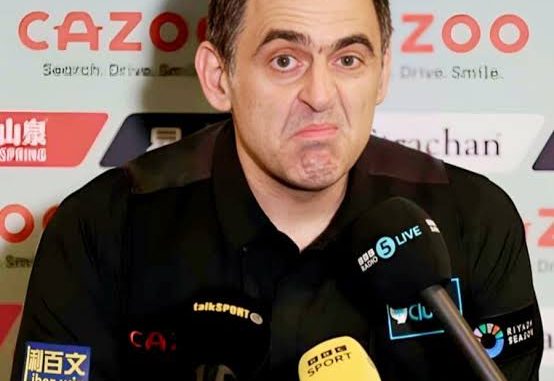
Ronnie O’Sullivan Reveals Struggle with Tournament Depression, Sparks Concern Among Fans.
Snooker legend Ronnie O’Sullivan has opened up about his ongoing battle with what he describes as “tournament depression,” shedding light on the emotional toll professional sport can take — even on its most decorated champions. The seven-time world champion’s candid remarks have sparked concern and compassion among fans across the globe.
O’Sullivan, widely regarded as one of the greatest players in the history of snooker, revealed that the intense highs and crushing lows of tournament play often leave him feeling mentally drained once competition ends. While lifting trophies and delivering record-breaking performances may appear glamorous from the outside, he explained that the emotional comedown afterward can be profound.
The 49-year-old star has long been open about his mental health struggles. Throughout his career, he has spoken about dealing with anxiety, depression, and burnout. His latest comments highlight a recurring pattern: the adrenaline and focus required during major events provide structure and purpose, but when tournaments conclude, a sense of emptiness can follow.
According to O’Sullivan, the buildup to major championships like the World Championship at Sheffield’s Crucible Theatre demands complete immersion. The preparation, pressure, and expectations create a high-intensity environment. Yet once the spotlight fades, he sometimes finds himself grappling with low mood and a lack of direction.
Fans have responded with an outpouring of support on social media, praising the snooker icon for continuing to speak honestly about mental health. Many have noted that his openness helps break down stigma, particularly in elite sport, where athletes are often expected to maintain a façade of invincibility.
O’Sullivan’s career has been a remarkable blend of brilliance and turbulence. Since turning professional in 1992, he has compiled a record number of ranking titles and maximum breaks, dazzling audiences with his natural flair and rapid playing style. However, his journey has also included sabbaticals from the sport, public struggles, and periods of self-reflection.
Sports psychologists note that “post-competition blues” are not uncommon among elite athletes. The psychological crash after intense focus and adrenaline can mirror symptoms of depression. Without the daily routine and goal-oriented structure of training and competition, some competitors experience emotional withdrawal.
In recent years, O’Sullivan has balanced snooker with media work, punditry, and other business ventures, seemingly seeking greater equilibrium in his life. He has emphasized the importance of therapy, fitness, and maintaining interests outside the sport to protect his mental well-being.
For supporters, the revelation serves as a reminder that even sporting greats are not immune to mental health challenges. Many have expressed hope that governing bodies in snooker and other sports will continue investing in psychological support systems for players at all levels.
As O’Sullivan continues to compete at the highest level, his honesty may ultimately prove as impactful as his centuries and titles. By speaking out, he not only humanizes the pressures of elite sport but also reinforces an important message: success does not shield anyone from mental health struggles — and seeking help is a sign of strength, not weakness.


Be the first to comment