Snooker veterans unite in call to reform controversial “miss” rule.
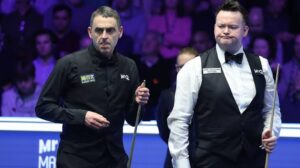
In a growing show of solidarity among snooker’s elite, Ronnie O’Sullivan, Shaun Murphy and Mark Selby have joined a chorus of top professionals calling for changes to the sport’s long-debated “foul and miss” rule. The trio — along with other high-profile players — say the current regulations unfairly penalise safety play, compromise fairness, and often hurt the flow of matches.
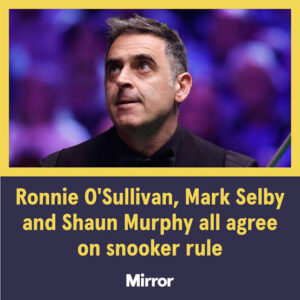
When asked what single rule he would most like to see changed, O’Sullivan identified the “miss” rule — placing him firmly in step with other senior players who believe the regulation is outdated.
What is the “miss” rule — and why is it controversial
Under current snooker laws, if a player fails to strike the “ball on” (the correct object ball) and the referee decides the attempt was insufficient, a “miss” may be called — often resulting in a foul. The most contentious aspect is the so-called “three-miss” rule: if a player, from the same position, misses the ball on three consecutive attempts, they automatically concede the frame.
Critics — including many top professionals — argue this rule is too subjective. Referees must judge whether the player made a “sincere attempt,” which can lead to inconsistent and controversial decisions. Moreover, the “reset” after a miss often involves repositioning balls — which slows down play and can break the rhythm of a frame.
How top players want to change it
While O’Sullivan has not specified exactly how he would reform the rule, his stance aligns with proposed tweaks from other leading professionals:
Free ball on visible reds: Neil Robertson has suggested that if a visible red is missed, the opponent should be awarded a free ball — rather than forcing repeated re-sets or awarding full foul penalties. This, he argues, would speed up play and reduce frustration.
Cap on consecutive misses: Selby has backed a firm limit — suggesting a maximum of three “miss/foul” calls per position, after which perhaps a milder penalty applies but not an automatic frame concession. “Sometimes you can be 20 or 30 points ahead … and end up losing the frame because of misses,” he said.
Elimination of deliberate tactical fouls: Murphy has spoken out against what he sees as deliberate exploitation of the rule — players may intentionally induce misses or fouls to gain strategic advantage, which he feels conflicts with the spirit of fair play.
O’Sullivan has added that the constant resetting of balls after a miss feels unnecessary if the player has no realistic chance to pot — “Who really cares?” he asked. “It takes time. As long as he can’t pot it and doesn’t gain a massive advantage… does it really matter?”
Significance: why this matters now
The call for rule change carries extra weight because it comes from some of snooker’s most respected and influential players. Their collective stance highlights a growing appetite within the sport for modernization — balancing strategic depth and safety play with fairness, consistency, and a better spectator experience.
With snooker evolving — newer audiences, faster-paced tournaments and heightened broadcast scrutiny — many believe now is the right moment to re-examine antiquated regulations. For fans and players alike, a simplified or revised “miss” rule could mean fewer controversial frames, fairer outcomes, and a smoother, more watchable game.
 Whatcould happen next
As calls mount, the governing bodies face a decision point. They may choose to relax the “miss” rule, adopt a cap on consecutive misses, or implement alternative penalties like the free ball. Either way, any shift would have ripple effects — changing tactics, altering match tempo, and potentially redefining how snooker is played at the professional level.
Given the clout of those backing change — especially O’Sullivan, Murphy and Selby — the pressure on regulators will only increase. For players and fans tired of controversial “miss-rule” outcomes, the coming months might bring one of the biggest rule reforms in modern snooker.


Be the first to comment