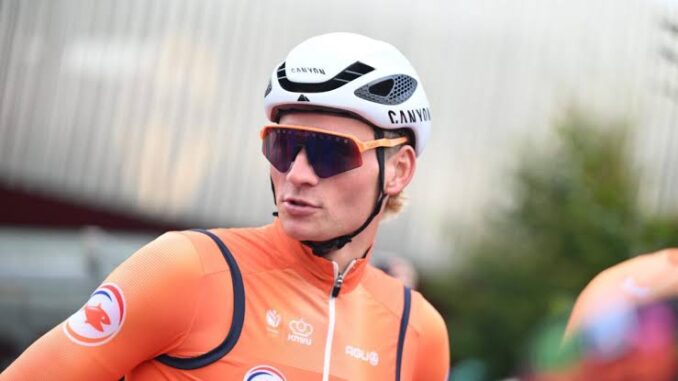
Mathieu van der Poel Confirms He Won’t Return to Cyclocross in December.
Mathieu van der Poel, one of the most dominant figures in modern cyclocross, has confirmed that he will not be returning to cyclocross competition come December, signaling a significant shift from prior expectations of a winter comeback.
The announcement comes amid mounting speculation about the Dutch star’s program for the coming season. In past years, Van der Poel has often used cyclocross as a key component of his annual racing rhythm, taking advantage of the discipline’s winter calendar to sharpen form, reconnect with his roots, and contend for world titles. But this year, injury concerns and a packed cross‑discipline schedule appear to have forced a different path.
According to statements from his Alpecin‑Deceuninck team and Van der Poel himself, the decision reflects careful deliberation with medical and performance staff. Persistent pain from injuries sustained in recent races has made a return this December impractical. Team management has stressed that the rider’s long‑term health and optimal preparation for other seasons (road, mountain bike) take precedence over a rushed return.
Sources close to the team indicate that Van der Poel has battled ongoing back and rib issues stemming from crashes late in the previous season. In particular, a fall in Loenhout and subsequent rib trauma—compounded by lingering effects on his vertebrae—have made consistent training in cyclocross conditions challenging.
In addition, further complications have reportedly emerged in the rider’s rehabilitation. His medical team has cautioned against imposing a tight timeline on his return, citing the risk of aggravating underlying injuries. As a result, Van der Poel and his support staff have opted for a more conservative timeline.
The cyclocross calendar, especially in December, is traditionally rife with marquee events and fierce competition. In recent seasons, Van der Poel signaled intentions to resume in December, targeting ten to fifteen races and planning to defend his world title. However, those plans now appear to be shelved, at least in the short term. The decision underscores the delicate balance elite cyclists must strike when juggling multiple disciplines and recovery from injury.
It’s worth noting that absence from December does not necessarily imply a full withdrawal from cyclocross—though as of now, no alternate date for his return has been confirmed. His team has not ruled out competing later in the winter season, assuming he regains fitness and stability. Still, such a comeback would likely be cautiously managed to avoid undue stress, given his injury background.
For fans and rivals alike, Van der Poel’s absence in December changes the dynamic of the early cross season. It opens doors for other contenders to step into the spotlight, particularly in events previously seen as head‑to‑head clashes against him. Moreover, it raises questions about how Van der Poel will structure his season across road, cyclocross, and mountain biking domains.
Ultimately, this decision underscores the physical demands placed on riders who compete across multiple cycling disciplines. Van der Poel’s legacy in cyclocross is indelible, but his future strategy seems increasingly governed by prudence, recovery, and long‑term sustainability.


Be the first to comment